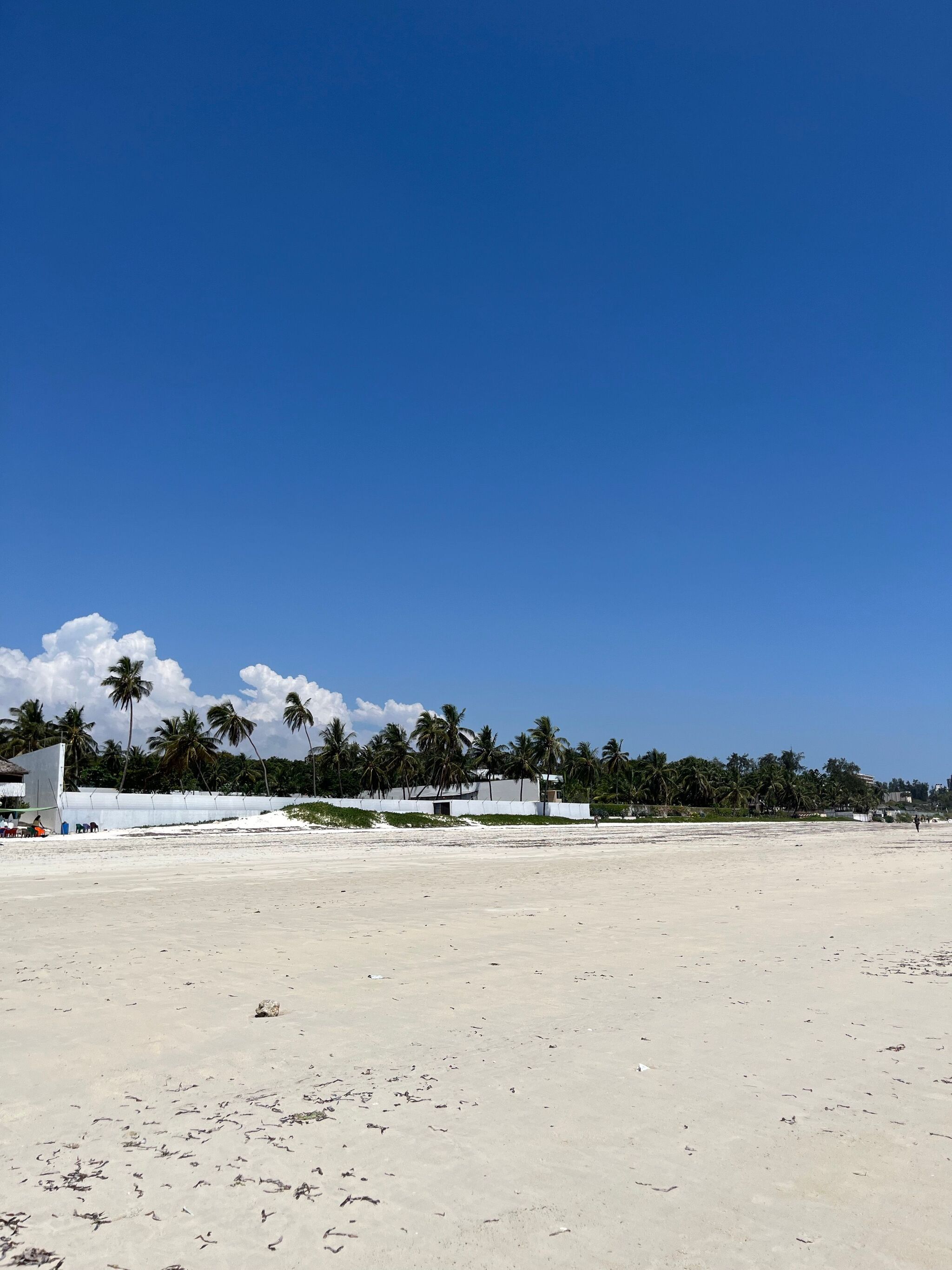
When Is the Best Time to Visit Diani Beach?
Let's get one thing out of the way immediately: there is no bad time to visit Diani Beach. This is not marketing spin, it's basic geography. Diani sits four degrees south of the equator, which means the sun shows up to work every single day like it's contractually obligated, the ocean stays a suspiciously perfect shade of turquoise year round, and the sand is so fine it practically apologizes for getting between your toes. Even on Diani's "worst" day, you are still doing better than most people's best day at the office.
That said, "no bad time" is not the same as "every time is equal," and since you are presumably not booking a flight based on vibes alone, let's talk specifics. Diani runs on two dry seasons and two rainy ones, and knowing which is which will save you from either fighting for a sun lounger or fighting an umbrella that's given up on life.
The Short Answer, For Skimmers
If you want peak weather and don't mind a crowd: late December through March.
If you want great weather, fewer people, and kitesurfing winds: late June through September.
If you want a bargain and don't mind the occasional dramatic sky: April, May, or November.
Now let's earn that answer.
December to March: The "Everyone Else Had the Same Idea" Season
This is Diani's headline act. Skies clear up, humidity drops to something reasonable, and the ocean sits around a bath like 27 to 28 degrees Celsius, warm enough that "getting in slowly" is not a survival strategy, just a personality trait. February in particular is the driest stretch of the entire year, with barely a whisper of rain, which is why it also happens to be the hottest month. Bring sunscreen you actually trust.
This is also peak season in every sense, meaning European winter escapees, Christmas holidaymakers, and honeymooners all converge on the same 25 kilometers of beach at once. Rates climb, resorts fill up months in advance, and the beach boys selling kikois will know your name by day three. If you want this window, book early. Very early. "Ask your travel agent in September" early.
Bonus reason to pick this season: the Diani Regatta and Cultural Festival typically lands in February, bringing traditional ngalawa canoe races and Mijikenda dance performances to the shoreline, which is a considerably more charming way to spend an afternoon than reapplying sunscreen for the fourth time.
June to October: The Cooler, Windier, Slightly Smugger Sibling
Here's where Diani gets interesting for people who actually want to do things rather than just marinate on a towel. This second dry season runs cooler, generally in the low to mid 20s Celsius, which is Diani's version of "sweater weather" (nobody actually wears a sweater, but you will notice the difference).
The real draw here is wind. Steady onshore breezes, locally known as the kuzi, turn Galu Beach just south of Diani into one of East Africa's best kitesurfing spots from roughly June through September. If you've ever wanted to learn to kitesurf without also learning to swim against a current the size of a small country, this is your window.
October adds a bonus feature: whale sharks. These gentle giants, the largest fish in the ocean and thankfully not remotely interested in eating you, pass through Kenyan waters roughly between October and April, and boat trips out toward Kisite-Mpunguti Marine Park during this stretch offer some of the best odds of a sighting. Snorkeling with something the size of a bus is, we can confirm, a genuinely humbling experience.
Crowds thin out compared to the December peak, prices soften a little, and you still get glorious weather. Honestly, this season doesn't get enough credit.
April, May, and November: The Off Season Nobody Talks About Enough
This is the "long rains" and "short rains" territory, and yes, it does rain, sometimes with theatrical commitment. April and May in particular see the heaviest downpours of the year, and some smaller properties scale back or close entirely during the quietest weeks.
But here's the part the brochures conveniently underplay: it doesn't rain constantly. Tropical rain tends to arrive in dramatic bursts, usually overnight or in short afternoon windows, followed by hours of sunshine and a freshly rinsed, wonderfully green landscape. Combine that with the lowest accommodation rates of the year and beaches so empty you'll wonder if you've booked the wrong planet, and this becomes a genuinely smart choice for budget conscious travelers, photographers who like dramatic skies, or anyone who considers "having the pool to yourself" a personality goal.
November specifically tends to be gentler than April or May, with the short rains tapering off as the month progresses, making late November a solid sleeper pick for value hunters.
So, Which Season Should You Actually Pick?
Ask yourself three questions.
Do you want the classic postcard version of Diani, and don't mind paying peak rates or sharing the sand? Go December through March.
Do you want great weather, a bit of wind in your kite, and possibly a whale shark encounter, without peak season prices? Go June through October.
Do you want the lowest prices, quiet beaches, and don't mind Mother Nature having a mood swing or two? Go April, May, or shoulder season November.
Diani, to its enormous credit, rewards you no matter which box you tick. The white sand doesn't check the calendar, and neither does the ocean's alarming ability to look photoshopped in every single picture.
Whichever window you choose, we can build the itinerary around it, coral reefs, whale sharks, Colobus monkeys, Wasini Island day trips, kitesurfing lessons, and all. Just tell us your dates and we'll handle the rest.
Share This Story
