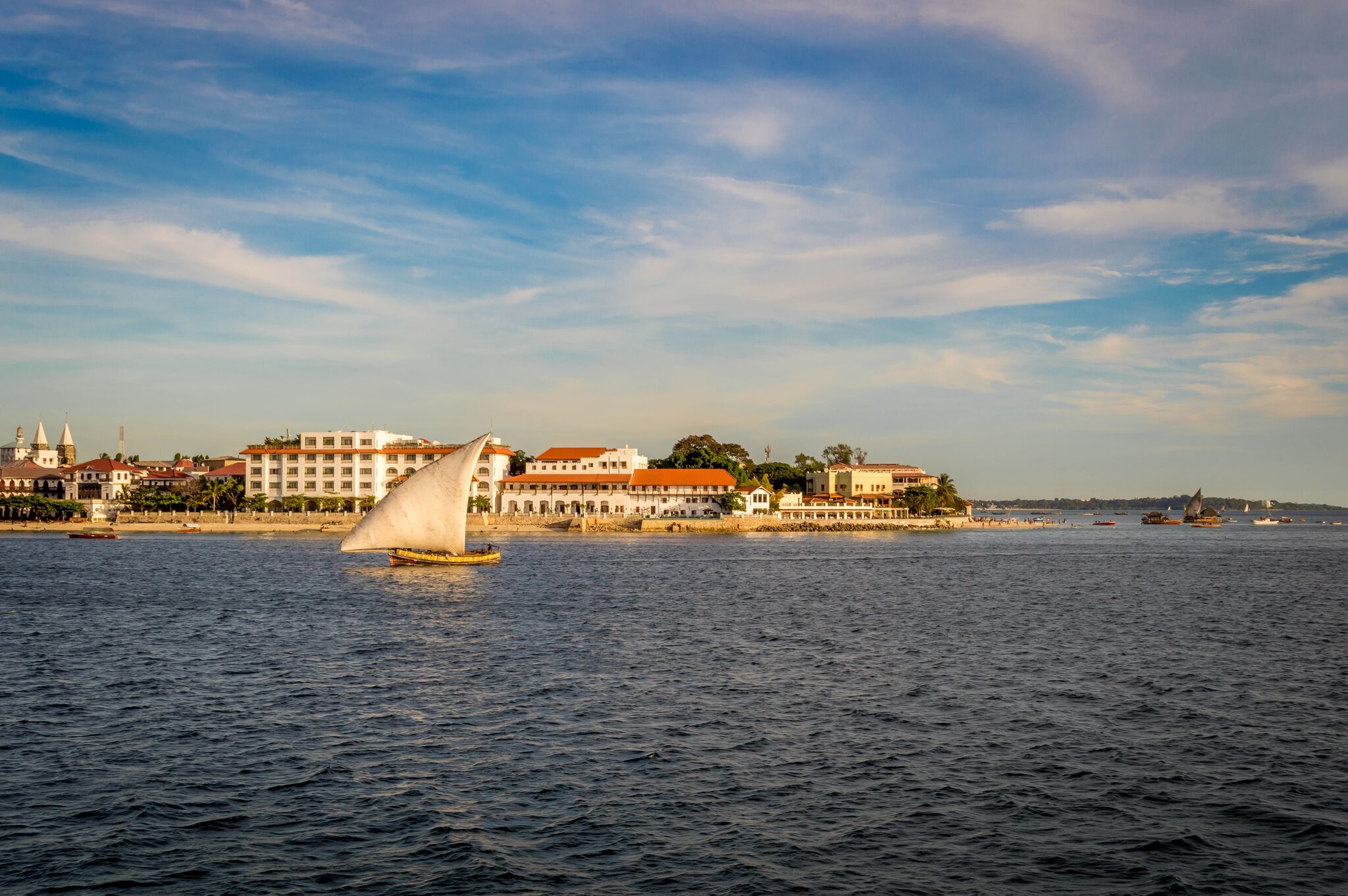
Lamu Island Kenya: Dhows, Donkeys and the Sweetest Slow Life on Earth
There are places in Kenya where you chase the Big Five at dawn, and there are places where the biggest decision of the day is whether to have your second mango juice before or after your nap. Welcome to Lamu Island, Kenya, where time does not tick, it drifts. Like a dhow on a lazy afternoon tide.
If you have been hunting for a Lamu Kenya holiday that is not about alarm clocks, traffic or the tyranny of a packed itinerary, pull up a cushion. This guide covers everything you need to know about Lamu Island: what it is, why it matters, what to do, when to go and how to get there.
Where Is Lamu and Why Is It So Famous?
Lamu sits off the northern coast of Kenya, close to the Somali border, in the warm Indian Ocean. It is the heart of an archipelago, and its main settlement, Lamu Old Town, is the oldest and best preserved Swahili settlement in East Africa. Its roots reach back over 700 years, and it earned UNESCO World Heritage status in 2001.
What makes it special is not just age. It is that Lamu never got the memo about modernity. There are almost no cars on the island. The town's narrow, shaded alleyways are far too tight for them anyway. Transport means your own two feet, a boat, or a donkey. Yes, a donkey. The island has thousands, and they run the place with the quiet confidence of a municipal council.
Things to Do in Lamu
1. Wander Lamu Old Town
Get lost on purpose. The maze of coral stone streets reveals carved wooden doors, hidden courtyards, tiny cafes and mosques that have called worshippers to prayer for centuries. Look up at the intricate balconies, and look down so you do not collide with a donkey who has right of way.
2. Visit Lamu Fort and the Museums
Lamu Fort, built in the early 1800s, anchors the waterfront and now hosts cultural events and exhibitions. The Lamu Museum and the Swahili House Museum are fantastic windows into coastal history, trade routes and Swahili home life.
3. Take a Lamu Dhow Cruise
This is the signature Lamu experience. Hop aboard a traditional wooden dhow, a sailing vessel whose design has barely changed in a thousand years, and glide through mangrove channels and across turquoise water. Choices include a sunset sail, a snorkelling trip, a fishing outing or a full day of sailing with a seafood lunch grilled right on the boat. Your captain will probably cook better fish than most restaurants you have ever visited.
4. Relax on Shela Beach
A short walk or boat ride from Lamu Town, Shela Beach is a wide, golden, 12 kilometre stretch of nearly empty sand backed by dunes. Shela village itself is a beauty, with whitewashed Swahili houses, rooftop restaurants and boutique stays. Walk the beach at low tide, and be sure to catch the sunset from a terrace with a cold drink in hand.
5. Explore Manda Island and Takwa Ruins
Take a short boat trip to Manda Island to discover the ruins of Takwa, a 16th century Swahili town abandoned mysteriously in the 1700s. The coral stone walls and a pillar tomb sit quietly among the trees, and the atmosphere is wonderfully eerie in the best way.
6. Experience Swahili Food
Lamu is a dream for foodies. Expect fresh lobster, grilled kingfish, coconut rice, biryani fragrant with spice, samosas and the sweet, sticky joy of mandazi. Finish with strong Swahili coffee served from a brass pot, or fresh passion fruit and tamarind juice.
7. Join the Lamu Cultural Festival
Held each November, this festival celebrates Swahili heritage with dhow races, donkey races, traditional dance, poetry and craft displays. If your dates allow, this is Lamu at its liveliest.
8. Visit Kiwayu and the Outer Islands
For true barefoot luxury, venture beyond the main island to Kiwayu and the surrounding marine park, where you will find pristine reefs, quiet beaches and some of the best snorkelling and kite surfing on the Kenyan coast.
Best Time to Visit Lamu
The best time to visit Lamu is during the dry seasons, from December to March and again from June to October. Skies are clear, seas are calm and the beach days are glorious. January and February are the hottest months, while July and August bring cooler breezes that are perfect for sailing.
The long rains fall roughly from April to June, and many lodges close or offer reduced rates during that time. A short rainy period often appears in November.
How to Get to Lamu
By air: The easiest option is a short domestic flight from Nairobi (Wilson Airport or JKIA) to Manda Airport, which sits on Manda Island. From the airstrip, a quick boat transfer takes you to Lamu Town or Shela.
By road and boat: Overland travel is possible via Mombasa, but the route involves long drives and requires attention to current travel advisories. For most visitors, flying is the smarter and more comfortable choice.
Always check the latest government travel advisories before you book. Your tour operator can confirm current conditions for the region.
Where to Stay in Lamu
Lamu offers something for every style and budget:
- Boutique stays in Shela: Restored Swahili houses with rooftop terraces and ocean views
- Heritage hotels in Lamu Town: Atmospheric places to soak up the old world charm
- Beachfront lodges: Barefoot comfort a few steps from the sea
- Luxury island retreats on Manda and Kiwayu: Private, secluded and wonderfully quiet
Book early for peak season, particularly December and January.
Practical Tips for Your Lamu Trip
- Dress respectfully. Lamu has a strong Muslim heritage, so cover shoulders and knees in town. Beachwear is fine at the beach.
- Bring cash. ATMs are limited and card payments are not accepted everywhere.
- Pack light. Remember that someone, somewhere, will be carrying your luggage by donkey.
- Slow down. The pace here is the point. Fight it and you will lose.
- Protect yourself. Bring sunscreen, a hat, insect repellent and a reusable water bottle.
Combine Lamu with a Kenya Safari
Here is the secret that seasoned travellers love: Lamu is the perfect finale to a classic safari. Spend a week tracking lions in the Maasai Mara or watching elephants beneath Kilimanjaro in Amboseli, then fly north to trade your binoculars for a hammock. It is the ultimate bush and beach combination, and one of our most popular tailor made journeys.
Plan Your Lamu Holiday with Sublime Safaris
At Sublime Safaris, we design tailor made itineraries across Kenya, Tanzania and Zanzibar, and we would love to build your perfect Lamu escape, whether as a standalone beach retreat or the final chapter of a safari. We handle flights, dhow cruises, accommodation and every detail in between, so all you have to do is show up and exhale.
Ready to slow down? Contact us at sublimetravellimited@gmail.com, call +254 110 090 711 or visit www.sublimesafaris.com to start planning.
FAQs About Lamu Island
Is Lamu worth visiting?
Absolutely. With its UNESCO listed Old Town, car free streets, traditional dhows and quiet beaches, Lamu offers a cultural and coastal experience unlike anywhere else in Kenya.
How many days do you need in Lamu?
Three to five days is ideal. That gives you time to explore Lamu Old Town, sail on a dhow, relax at Shela Beach and visit nearby islands without rushing.
Is Lamu safe for tourists?
Many travellers visit Lamu without incident, and the island has a strong tourism tradition. Conditions in the wider northern coast can change, so always check current travel advisories and travel with a trusted operator.
What is Lamu famous for?
Lamu is famous for its UNESCO World Heritage Old Town, Swahili architecture, traditional dhow sailing, carved wooden doors, donkeys and relaxed island culture.
Can I visit Lamu on a budget?
Yes. Guesthouses in Lamu Town and Shela offer affordable stays, and local Swahili restaurants serve delicious meals at very friendly prices.
www.sublimesafaris.com
Share This Story
