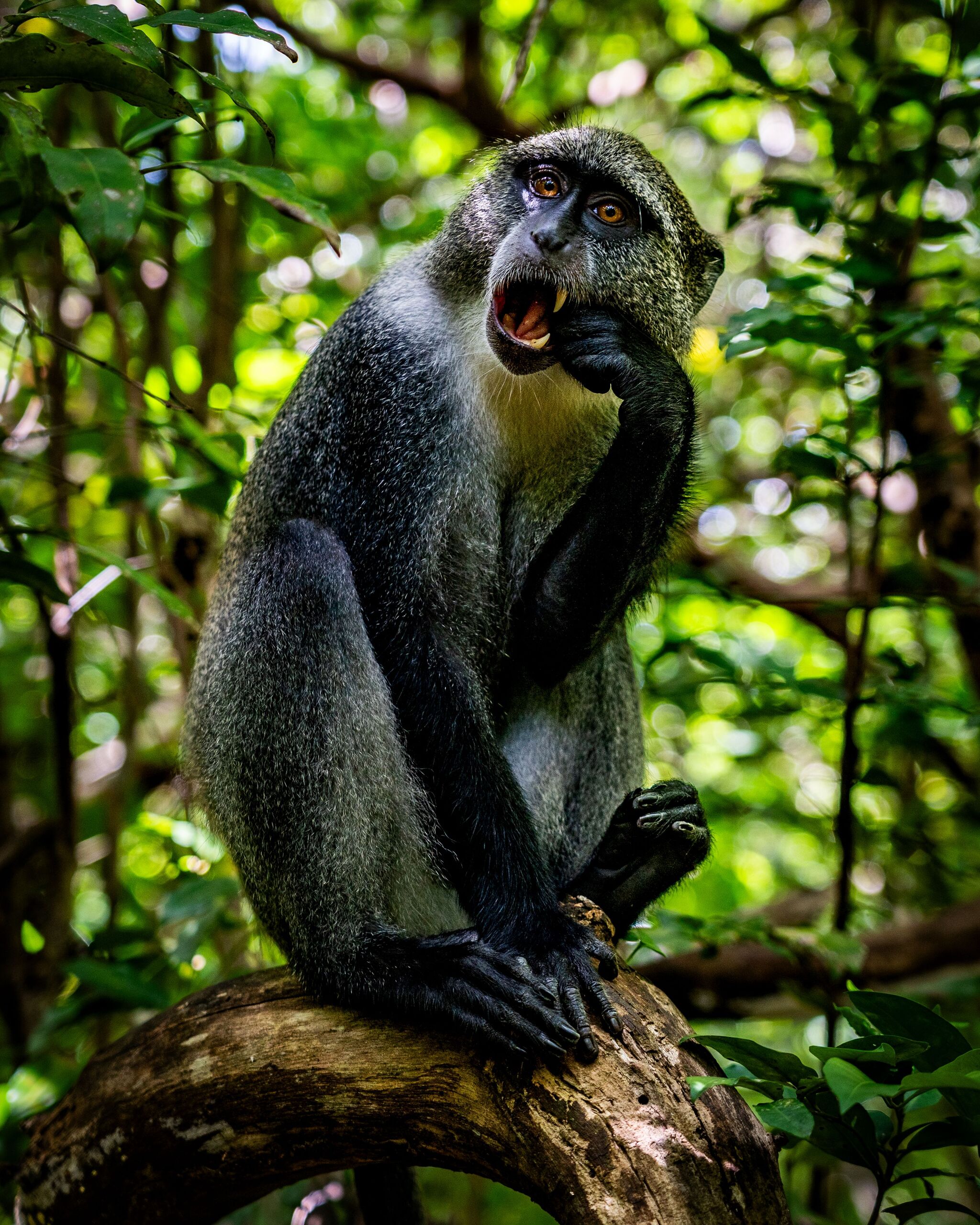
Jozani Chwaka Bay National Park: Where Zanzibar's Forest Monkeys Steal the Show
Zanzibar has a reputation. Powder white sand, turquoise water, a cocktail with a tiny umbrella in it. Nobody books a flight to the island dreaming about a forest.
Then they meet a red colobus monkey with a Mohican haircut and the trip changes.
Welcome to Jozani Chwaka Bay National Park, the green heart of Zanzibar, where the residents have better hair than you and zero interest in your itinerary.
What Is Jozani Chwaka Bay National Park?
Jozani Chwaka Bay is the only national park on Zanzibar, protecting roughly 50 square kilometres of forest. It sits on the island's southern side and holds a surprising mix of habitats in one small space: groundwater forest, mangrove swamp, salt marsh and coastal thicket. worldheritagesite
The forest is one of the last big patches of original woodland left on Unguja, the main island. In a place where coconut palms and hotels compete for every inch, that makes it precious.
Meet the Zanzibar Red Colobus
Let us talk about the celebrity. Kirk's red colobus monkey is found nowhere else on earth except Zanzibar. Only a couple of thousand of them remain, and they are famously unshy. worldheritagesite
Here is what makes them unforgettable:
- The hair. Tufts of white, black and rusty red fur give them a permanent "just rolled out of bed at a music festival" look.
- The attitude. They lounge, leap, groom each other and ignore you with total confidence.
- The gymnastics. Watch a troop cross the branches overhead and you will forgive every traffic jam that got you here.
Sometimes they stroll right across the road, so your first sighting may happen before you even reach the gate. Please keep your distance, do not feed them, and do not try to hold hands. They are wild animals, not tiny unpaid hosts.
More Wildlife Beyond the Monkeys
The red colobus get the posters, but the supporting cast is good too.
- Sykes' monkeys, the cheeky cousins who behave like they own the place
- Ader's duiker, a shy little antelope that is hard to spot and a true treat when you do
- Bushbabies, mostly nocturnal, with enormous eyes and enormous charm
- Butterflies, chameleons and forest birds for those who look up (and down)
- The legend of the Zanzibar leopard, which may be extinct but still fuels many a guide's best campfire story
Walking the Mangrove Boardwalk
After the forest, head to the mangroves. This is the second act, and it deserves your attention.
Mangroves are the island's coastal bodyguards. Their tangled roots hold the shoreline together, shelter fish and crabs, and act as a nursery for marine life in Chwaka Bay. Your guide will explain how the trees survive in salty water, and you will spot plenty of small crabs scuttling around the roots.
It is cool, quiet and photogenic. Bring a camera with battery to spare.
How to Get to Jozani Chwaka Bay National Park
The park is roughly 30 to 35 kilometres from Stone Town, about an hour by road. That makes it an easy half day trip and a natural stop on the way to the east coast beaches such as Paje, Jambiani and Michamvi. easytravel
Your options are simple:
- Private tour with a driver and guide. The easiest choice, and often combined with a spice farm.
- Taxi or rental car. Good for flexible travellers who like to set their own pace.
- Dala dala (local minibus). Cheap, lively and an adventure of its own for those who enjoy a story to tell later.
Entrance Fees and What to Expect
The entrance fee is about $10 per person and includes a guide, though it is wise to confirm the current price with the park. Fees for non residents can change, so check before you go. altezzatravel
The terrain is flat and never rises above about 50 metres, so no special fitness is needed. Guided walks usually last around one to two hours, which suits families and older travellers well. altezzatravel
Best Time to Visit Jozani Chwaka Bay National Park
The dry season from June to October is the most comfortable time to visit. The trails are drier and the walking is pleasant. January and February are also good, with warm days and fewer showers. easytravel
The heavy rains arrive around April and May. The forest is at its greenest then, but the paths turn muddy, so pack accordingly.
Insider tip: Go early in the morning. The animals are more active, the light is softer and the heat has not yet turned you into a puddle.
What to Pack for Your Visit
- Closed shoes with grip (flip flops and forest paths are not friends)
- Light, breathable long sleeves and trousers to shield you from insects
- Insect repellent and sunscreen
- A hat and a reusable water bottle
- Small cash for tips and local crafts
- A camera or phone with plenty of storage
Responsible Travel Tips
The park is more than a tourist stop. Your entrance fee supports conservation and the surrounding communities, and local guides depend on visitors who respect the forest. Keep the following in mind:
- Stay with your guide on marked paths.
- Never feed or touch the monkeys.
- Keep noise low and take all litter with you.
- Buy crafts and snacks from local vendors when you can.
Combine Jozani With These Zanzibar Experiences
Jozani fits neatly into a bigger island plan. Popular pairings include:
- A spice farm tour, where you can taste, smell and learn about cloves, vanilla, nutmeg and cardamom
- Stone Town, for its old alleys, carved doors and Swahili history
- Prison Island, for giant tortoises and snorkelling
- East coast beaches, to finish the day with sand between your toes
Frequently Asked Questions About Jozani Chwaka Bay National Park
Is Jozani Chwaka Bay National Park worth visiting?
Yes. It is the only place on earth to see the Zanzibar red colobus in the wild, and it adds a wildlife and nature chapter to what would otherwise be a beach holiday.
How long should I spend at Jozani?
Plan on two to three hours for the forest walk and the mangrove boardwalk. With travel from Stone Town, it fills a half day comfortably.
Can I visit with children?
Absolutely. The walks are short and flat, and kids tend to love the monkeys.
Can I see the Zanzibar leopard?
Almost certainly not. It may be extinct, and sightings have never been confirmed. The monkeys are far more reliable.
Plan Your Jozani Adventure With Sublime Safaris
At Sublime Safaris, we build tailor made itineraries across Kenya, Tanzania and Zanzibar. Whether you want Jozani as a relaxing beach break add on to a Serengeti or Maasai Mara safari, or as part of a full Zanzibar getaway, our team will handle transport, guides and timing so you can simply show up and enjoy the monkeys.
Ready to meet the best haircuts in East Africa?
www.sublimesafaris.com
Share This Story
