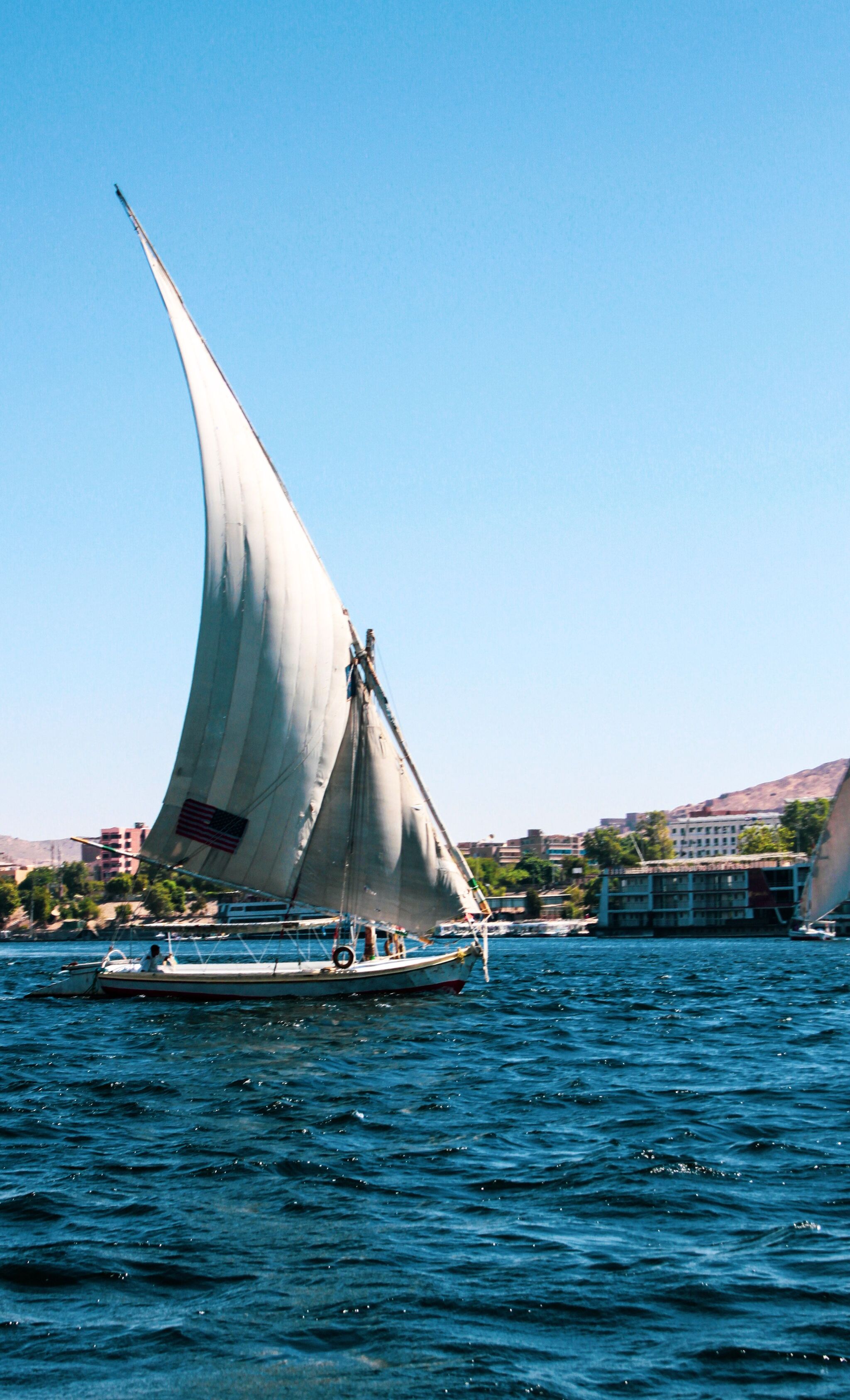
Dhow Cruise Safari in Lamu: The Only Safari Where the Big Five Is Crab, Lobster, Prawns, Fish and Coconut Rice
Let's be honest. You came to Kenya for lions, and nobody blames you. But somewhere between the fifth game drive and your third dusty sunrise, a small voice in your head whispered, "What if I lay down in a boat and let someone else handle everything?"
That voice is right, and it has a destination: Lamu. Here, the safari vehicle is a wooden sailing boat with a triangular sail, the guide is a captain who can read the wind like a newspaper, and the animals are dolphins and sea turtles who never once ask you to keep your voice down.
Welcome to the dhow cruise in Lamu, one of the most relaxing, photogenic and delicious ways to experience the Kenyan coast.
What Exactly Is a Dhow?
A dhow is a traditional wooden sailing vessel that has been crossing the Indian Ocean for well over a thousand years. Arab, Persian, Indian and Swahili traders used dhows to carry spices, ivory, cloth, ceramics and mangrove poles between East Africa, Arabia and India, riding the monsoon winds like a very patient taxi service.
You will spot a dhow by its big lateen sail, a triangular sail that looks like a giant shark fin doing yoga. Many Lamu dhows are still handcrafted by local boat builders, and the village of Matondoni is famous for it. No factory, no assembly line, just skilled hands and serious woodworking pride.
Why Lamu Is the Dhow Capital of Kenya
Lamu Old Town is a UNESCO World Heritage Site and one of the oldest continuously inhabited Swahili settlements in East Africa. It has no real road traffic. Donkeys are the rush hour, narrow alleys are the highways, and carved wooden doors look like they have secrets (they do).
Because life here has always revolved around the sea, the dhow is not a tourist prop. It is the local ferry, fishing boat and cargo carrier. When you book a Lamu dhow cruise, you are stepping into a living tradition, not a theme park.
Why We Call It a "Dhow Safari"
A safari, at its heart, is a journey to observe wildlife and wild places. Swap the savannah for the Lamu archipelago and you get exactly that:
- Marine life: Bottlenose and humpback dolphins, green sea turtles and shoals of tropical reef fish.
- Birdlife: Herons, kingfishers, sandpipers, terns and flamingos, depending on the tide and the day.
- Mangrove forests: Winding tidal creeks that are nurseries for fish and crabs, and a photographer's daydream.
- Whale season: Humpback whales pass along the East African coast roughly between July and October. Sightings are never guaranteed, but the hope is half the fun.
No dust, no bumpy tracks, and the only thing that jumps out at you is a flying fish.
Types of Dhow Cruises in Lamu
1. The Sunset Dhow Cruise
The classic. You leave the Shela or Lamu waterfront in the late afternoon, sail slowly while the sky turns orange, pink and a shade of purple that no phone camera can quite capture, and finish with the call to prayer floating across the water. It is romantic, peaceful and ideal for couples, honeymooners and anyone recovering from a long drive.
2. The Half Day Snorkelling Cruise
Sail to a sandbank or reef, jump in, and meet the neighbours. Expect colourful reef fish, corals and the occasional curious turtle. It is perfect for beginners, and if you cannot swim, life jackets and patient crew are close at hand.
3. The Full Day Manda Toto Island Cruise
This is the big one. Manda Toto is known for its clear water, its reef and its empty beach. You snorkel in the morning, eat a fresh seafood lunch cooked on board or on the sand, then nap under the sail like a well behaved cat. Bring sunscreen and low expectations for productivity.
4. The Overnight or Multi Day Dhow Safari
For the truly adventurous, sail north toward Kiwayu and the Kiunga Marine National Reserve. You sleep under the stars or at a simple beach camp, wake to the sound of waves and remember that Wi‑Fi was invented by people who never sailed. It is remote, raw and unforgettable.
5. The Cultural Dhow Trip
Combine sailing with a visit to Matondoni village to watch dhows being built, or explore the ruins of Takwa on Manda Island, the remains of a Swahili town abandoned centuries ago. History lovers, this one is for you.
The Food: Where the Real Safari Happens
Let's talk about lunch, because a dhow cruise is really a floating restaurant with a sail.
Expect grilled fish caught that morning, lobster or crab when in season, prawns in coconut sauce, coconut rice, chapati, fresh tropical fruit and cold drinks. Many crews cook right on board, and the smell of charcoal and spices drifting across the water will make you forget any diet you ever started.
Vegetarian? Just tell your operator in advance and they will happily fix you something delicious.
Best Time to Go on a Dhow Cruise in Lamu
- December to March: Hot, dry and sunny, with gentle northeast winds. Ideal for sailing and snorkelling.
- June to October: Cooler, breezier and still dry. Great for sailing, and it overlaps with whale season.
- April to May: Long rains. Some operators slow down and seas can be rough, so it is generally best to skip these months.
- November: A good time to catch cultural events in Lamu, including the Lamu Cultural Festival, when dhow races and traditions take centre stage.
How to Get to Lamu
Most visitors fly from Nairobi Wilson Airport to Manda Airstrip, which takes under two hours. A short boat ride then carries you across to Lamu Island or Shela. Flying is far more comfortable than the long road journey, and it means more time on the water and less time in the car.
What to Pack for Your Dhow Cruise
- Reef safe sunscreen and a wide brim hat
- Sunglasses and a light long sleeve shirt for sun protection
- Swimwear and a quick dry towel
- A waterproof bag or dry pouch for your phone
- Modest clothing for Lamu Old Town, out of respect for local culture
- Motion sickness tablets if you are prone to seasickness
- A camera, because the golden hour light is ridiculous
Practical Tips for the Best Experience
- Book with a licensed, reputable operator. Safety equipment, insured boats and experienced crews matter.
- Choose your cruise by mood. Want romance? Sunset. Want adventure? Manda Toto or overnight.
- Travel with the tides in mind. Snorkelling and sandbank visits depend on tide times, so trust your captain's plan.
- Respect the environment. Do not touch corals, chase turtles or leave rubbish behind.
- Check current travel advisories before your trip. Lamu is a popular and welcoming destination, and a good local operator will keep you updated on conditions.
Combine Lamu With a Classic Safari
Here is the secret smart travellers know: the best Kenya itinerary is often "bush and beach." Spend a few days chasing lions in the Maasai Mara, elephants in Amboseli or rhinos at Ol Pejeta, then fly to Lamu to slow down. Your tired legs will thank you, and your friends at home will wonder how you found time to do it all.
Frequently Asked Questions About Lamu Dhow Cruises
How long is a typical dhow cruise in Lamu?
Sunset cruises usually last two to three hours, while full day trips to Manda Toto or nearby islands take most of the day.
Do I need to know how to swim?
Not for a sunset cruise. For snorkelling, basic swimming is helpful, but life jackets and guides are provided.
Is a dhow cruise suitable for children?
Yes, for most calm water trips. Choose shorter cruises for small children and always keep life jackets on.
Will I see dolphins?
Dolphin sightings are common, but wildlife is wild. Your captain will do everything possible to find them.
Is seafood included?
On most half day and full day cruises, yes. Confirm the menu and any dietary needs when booking.
Can I get seasick?
Lamu's waters are usually gentle, but if you are sensitive, take a tablet beforehand and sit near the middle of the boat.
Ready to Sail?
A dhow cruise in Lamu is what happens when history, nature, good food and a very slow afternoon join forces. No alarms, no rushing, just wind in the sail and the sea doing its thing.
At Sublime Safaris, we craft tailor made itineraries across Kenya, Tanzania and Zanzibar, and we would love to put a Lamu dhow adventure into your trip. Whether you want a romantic sunset sail or a full sea and savannah combo, we will handle the details while you handle the sunscreen.
www.sublimesafaris.com
Share This Story
