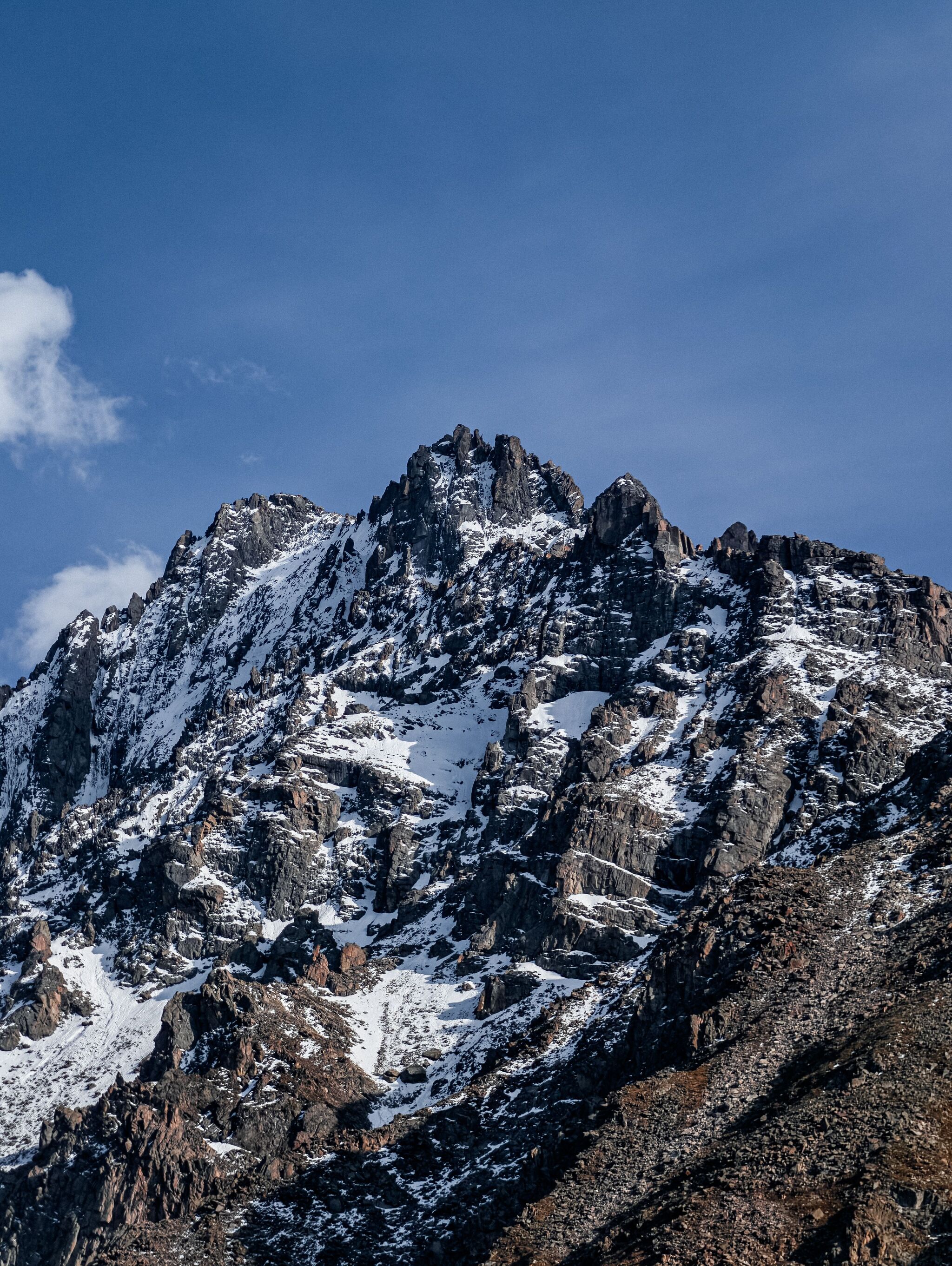
Climbing Mount Kenya: The Ultimate Hiking Guide
Forget Kilimanjaro. This Mountain Doesn't Do Crowds.
Everyone's heard of Kilimanjaro. Fewer people know that two countries north of the equator, Kenya is quietly hiding Africa's second-highest peak — and it's arguably a far better hike. Mount Kenya doesn't have queues of trekkers snaking up its slopes or a summit selfie line. What it does have is jagged glacial peaks, five distinct climate zones in a single trek, and a summit certificate that actually feels earned.
If you're the kind of traveler who wants "off the beaten path" to mean something, this is your mountain.
The Basics: What Exactly Are You Climbing?
Mount Kenya stands at 5,199 metres (17,057 ft), an extinct volcano and UNESCO World Heritage Site sitting almost exactly on the equator. Most hikers aren't summiting the technical twin peaks of Batian and Nelion (those require ropes, ice axes, and a genuine mountaineering résumé). Instead, the goal for the vast majority of trekkers is Point Lenana, the third-highest peak at 4,985 metres — no technical climbing required, just lungs, legs, and a healthy respect for altitude.
Think of Point Lenana as Kilimanjaro's Uhuru Peak, minus the traffic jam.
Choosing Your Route: Three Ways Up, Three Very Different Trips
Sirimon Route
The gentlest gradient of the three, which makes it the best choice for acclimatization. Most itineraries send hikers up Sirimon and down Chogoria, giving you the best of both — a manageable ascent and the most scenic descent on the mountain.
Chogoria Route
Widely considered the most beautiful route on Mount Kenya, and it's not close. Expect the Gorges Valley, Lake Michaelson glinting below vertical cliffs, and moorland scenery that looks more like Scotland crossed with Mars than East Africa. Slightly longer than the others, but worth every extra hour.
Naro Moru Route
The fastest and most direct route to the summit — and the most punishing. Steeper gradients mean less time to acclimatize, which is why it also has the highest reported rate of altitude sickness among the three. Good for very fit hikers on a tight schedule; not recommended as a first-time route.
Our recommendation: Sirimon up, Chogoria down. Five days minimum. Your knees, lungs, and camera roll will thank you.
When to Go
Mount Kenya has two dry-ish windows worth targeting:
- January to February — generally the driest and most reliable
- August to September — second dry window, slightly cooler
Avoid April–May and November, which coincide with the long and short rains. Trails turn to mud, visibility drops, and river crossings get genuinely dangerous.
Altitude Sickness: The Honest Talk
At nearly 5,000 metres, altitude is the real opponent here — not the terrain. Symptoms of Acute Mountain Sickness (AMS) include headache, nausea, dizziness, and fatigue, and they don't care how many marathons you've run. The mountain doesn't negotiate with cardio fitness.
The fix isn't complicated: climb slowly, sleep low relative to your daily high point, hydrate constantly, and listen to your guide. A good outfitter will build acclimatization days into the itinerary rather than racing you to the top. If a route sounds suspiciously cheap and suspiciously fast, that's usually why.
What's Included in a Typical Package
A properly organized Mount Kenya trek should include:
- Licensed mountain guide and porters
- All park entry and camping/hut fees
- Meals on the mountain
- Transport to and from the trailhead
- Pre-climb briefing and gear check
Budget hikers sometimes try to DIY the mountain solo — Kenya Wildlife Service regulations actually require a registered guide for most routes, so this isn't really optional, and honestly, you don't want it to be. Porters who know the mountain's moods are worth every shilling.
Packing Essentials
- Layered clothing (you'll move through rainforest, moorland, alpine desert, and near-arctic conditions in one trip)
- Waterproof jacket and trousers
- Sturdy, broken-in hiking boots
- Warm sleeping bag (rated to at least -10°C for summit night)
- Headtorch for the pre-dawn summit push
- Sunscreen and sunglasses — equatorial UV at altitude is brutal
Why Mount Kenya Deserves a Spot on Your Kenya Itinerary
Most travelers fly in for the Maasai Mara migration and never look north. That's the opportunity. Pairing a Mount Kenya trek with a few days on safari gives you a trip with genuine range — savannah wildlife and equatorial glaciers in the same two weeks, something almost no other country on earth can offer in a single itinerary.
Ready to plan your climb? Get in touch with sublime Travel limited and we'll build a Mount Kenya itinerary around your fitness level, timeline, and dream summit.
www.sublimesafaris.com
Share This Story
