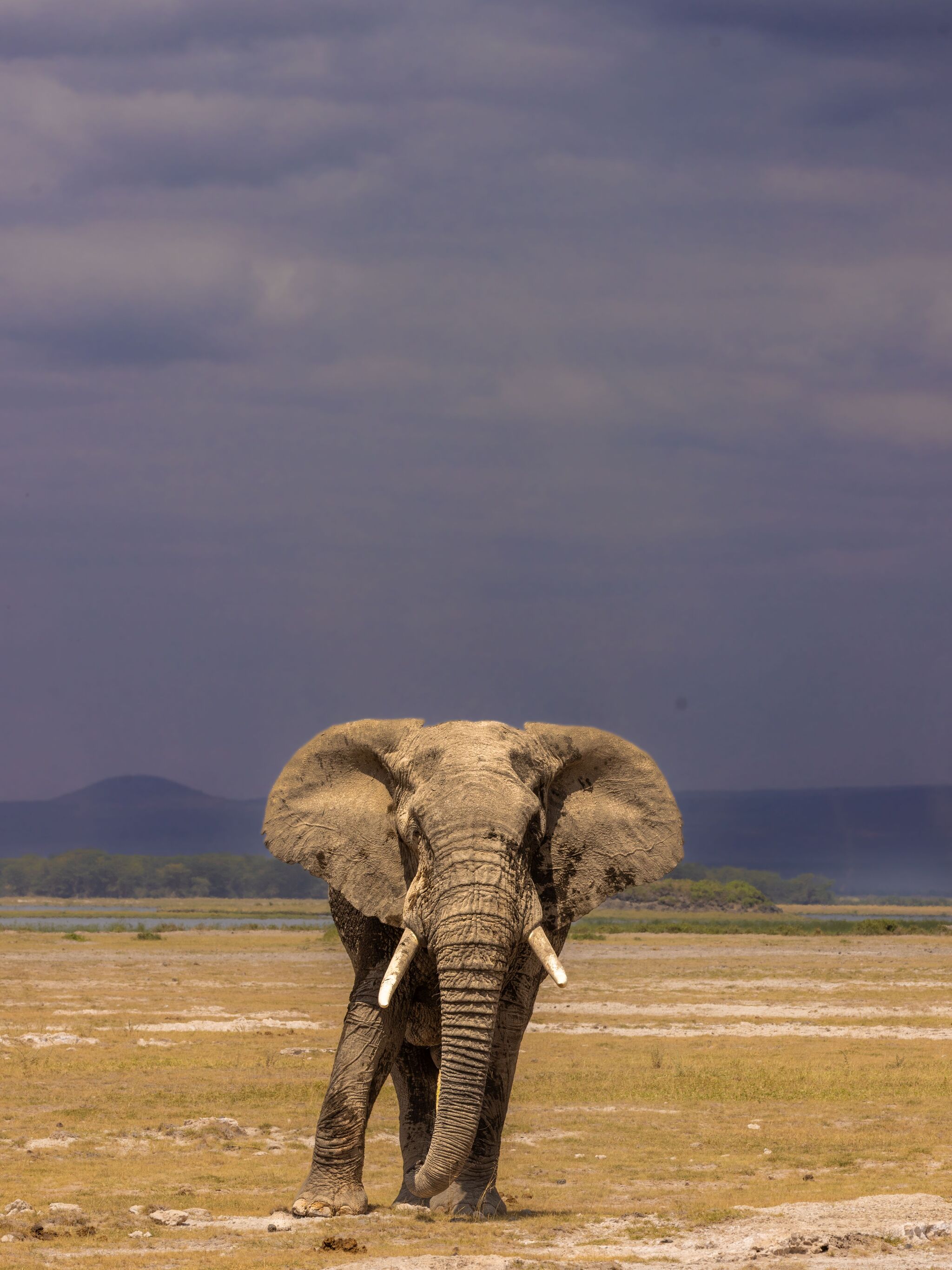
Amboseli Elephants: The Original Kilimanjaro Influencers
There is a particular kind of Kenyan drama that plays out every single morning in Amboseli National Park. A two ton grey mammal ambles across golden grass, dust kicking up around wrinkled knees, and somewhere in the background Mount Kilimanjaro looms like the world's most patient photobomber. It is, quite simply, one of the greatest double acts in African wildlife tourism. Snow capped mountain, meet magnificent elephant. You two are going to be very famous.
If you have ever scrolled past a photo of an elephant silhouetted against Kilimanjaro and thought "I need that in my life," congratulations, you have already fallen for Amboseli's oldest trick. It has been doing this to travelers since long before Instagram existed.
Why Amboseli Is Elephant Royalty Territory
Most parks in Kenya will show you elephants. Amboseli shows you elephant society. This park, tucked into the shadow of Africa's tallest mountain near the Tanzanian border, is home to some of the most studied and best documented elephant families on the planet, thanks to decades of research by the Amboseli Trust for Elephants.
What that means for you as a visitor is simple. These are not skittish, half glimpsed elephants disappearing into thick bush. Amboseli's swamps and open plains mean you get long, unobstructed views of entire herds moving, socializing, bathing, and generally living their best lives in plain sight.
Some of these elephants have been tracked and known by name for over 50 years. Multiple generations. Entire family trees. It is basically a very long running, very dusty soap opera, and you are invited to watch an episode.
The Kilimanjaro Factor
Let's address the obvious. Yes, Amboseli sits practically at the foot of Kilimanjaro, and yes, on a clear morning that mountain looks close enough to touch, even though it is actually across the border in Tanzania. Best viewing tends to happen early morning before clouds roll in and claim the peak for themselves, which they do most afternoons with the enthusiasm of a diva demanding her curtain call.
Photographers plan entire trips around this combination. Low golden light, misty swamps, elephants wading through water, and that iconic snow capped silhouette rising behind them. It is the kind of scene that makes people quit their jobs to become wildlife photographers, and honestly, fair enough.
What Makes Amboseli's Elephants Different
A few things set this population apart from elephants elsewhere in Kenya:
- Bigger tuskers. Amboseli is known for producing some of Africa's last remaining "big tuskers," elephants with tusks so large they nearly scrape the ground. Genetics, protection, and time have all played a role.
- Calm temperament. Decades without significant poaching pressure and constant exposure to safari vehicles mean Amboseli elephants are generally relaxed around tourists, making for closer, calmer sightings than in many other parks.
- Swamp life. The park's permanent swamps, fed by underground rivers from Kilimanjaro's snowmelt, mean elephants gather here even in dry season, when other parks are struggling with water scarcity. This makes Amboseli one of the most reliable year round elephant destinations in East Africa.
Best Time to See Amboseli's Elephants
Short answer: any time. Slightly longer answer:
- Dry season (June to October, January to February): Elephants concentrate around the swamps in large numbers, making sightings dense and dramatic. Clearer skies also mean better Kilimanjaro views.
- Wet season (November, March to May): Fewer crowds, greener scenery, and newborn calves are common, though the mountain plays harder to get with the clouds.
If your goal is elephants plus mountain in one perfect frame, aim for early morning during the dry months.
Planning Your Amboseli Safari
Amboseli pairs beautifully with the Maasai Mara or Tsavo for a longer Kenya itinerary, or works as a powerful standalone two to three night safari for travelers short on time but big on elephant ambitions. Game drives at dawn and dusk give you the best light and the most active herds, while a stay at a lodge with swamp or mountain views means the show continues even when you are not technically on safari.
Amboseli does not try to be everything. It does one thing, an elephant walking toward the roof of Africa, and it does that one thing better than almost anywhere else on the continent.
www.sublimesafaris.com
Share This Story
